
The Cost of Dog Surgery: What You'll Really Pay in 2026
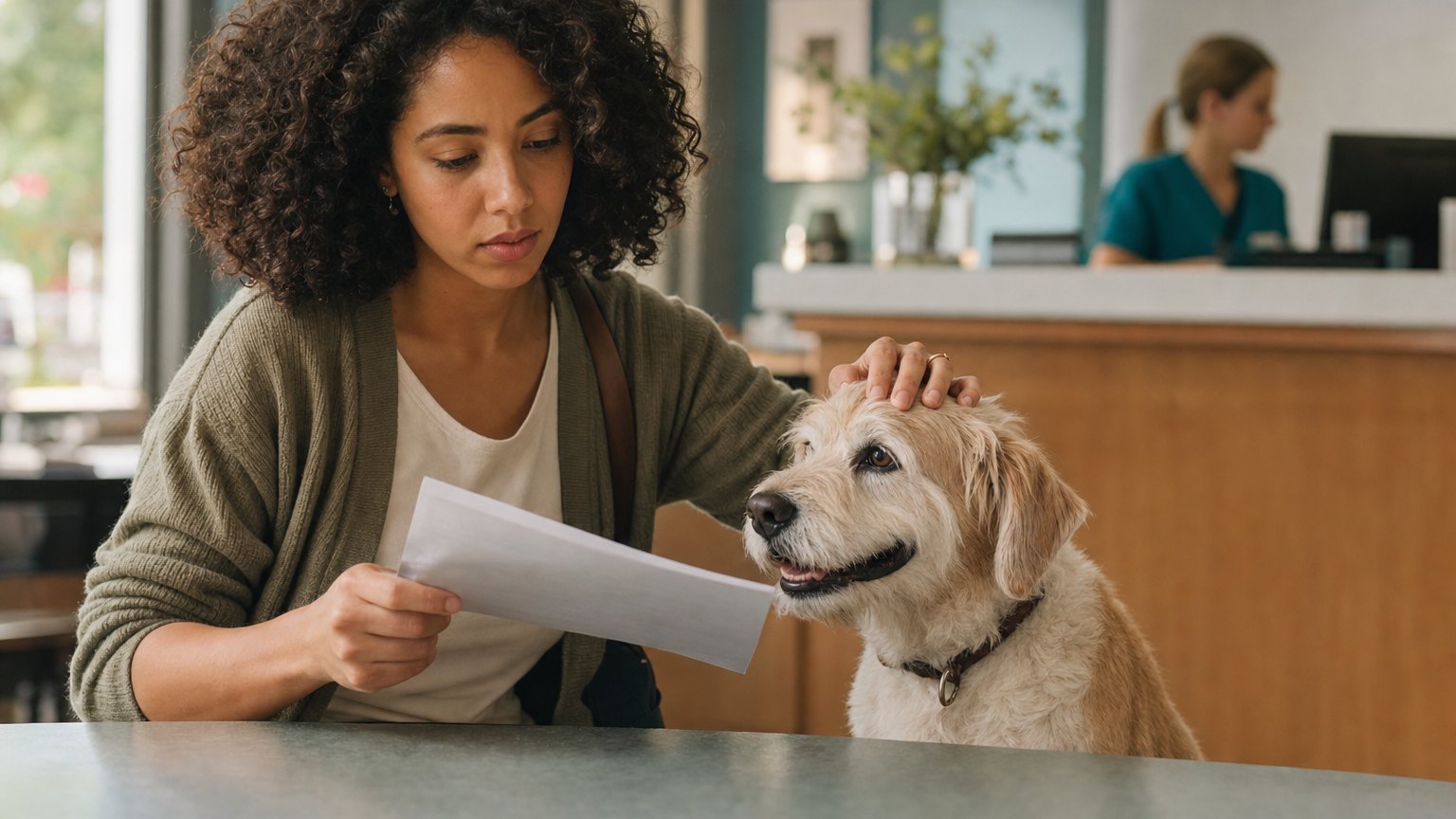
Your vet says the word 'surgery' and your stomach drops before your brain even catches up. Then comes the second drop, quieter but just as real: what is this going to cost? The cost of dog surgery spans an enormous range, from a few hundred dollars for a routine neuter to several thousand for orthopaedic, spinal or emergency work, and the figure your vet says out loud on the phone is rarely the figure you pay at pickup. That gap between the quote and the invoice is where most owners feel blindsided, not because anyone lied, but because nobody walked them through what actually goes into a surgical bill. This guide breaks down the price of dog surgery by procedure, explains why identical operations can cost two owners wildly different amounts, and covers how real families actually pay for it without draining a savings account in one afternoon.
Quick Answer
The cost of dog surgery ranges from about $283 to $685 for a routine neuter (Vet Receipt, as of January 2026) up to roughly $7,000 per hip for total hip replacement (Animalia, as of January 2026). TPLO knee repair runs $3,694 to $4,330 per knee, and spinal surgery for IVDD can reach $12,000 total (MetLife, January 2026). If your dog is bright, eating and comfortable after routine surgery, home recovery is normal; if he's collapsed, in visible distress or the wound looks wrong, that's a same-day vet call, not a wait-and-see.
Key Takeaways
- The cost of dog surgery spans a wide range: a few hundred dollars for a neuter to several thousand for advanced orthopaedic or spinal work.
- The quoted "surgery fee" is usually less than half the final bill; anaesthesia, diagnostics, hospitalisation and aftercare stack on top (Vet Receipt, January 2026).
- A board-certified specialist or emergency hospital is the single biggest cost driver, not the operation itself.
- Insurance, in-house payment plans, financing and a dedicated emergency fund are the main ways owners spread the price of dog surgery.
- Skipping proper aftercare, especially wound protection, is how a straightforward recovery quietly turns into a second, avoidable bill.
In This Article
The Cost of Dog Surgery: The Realistic Range
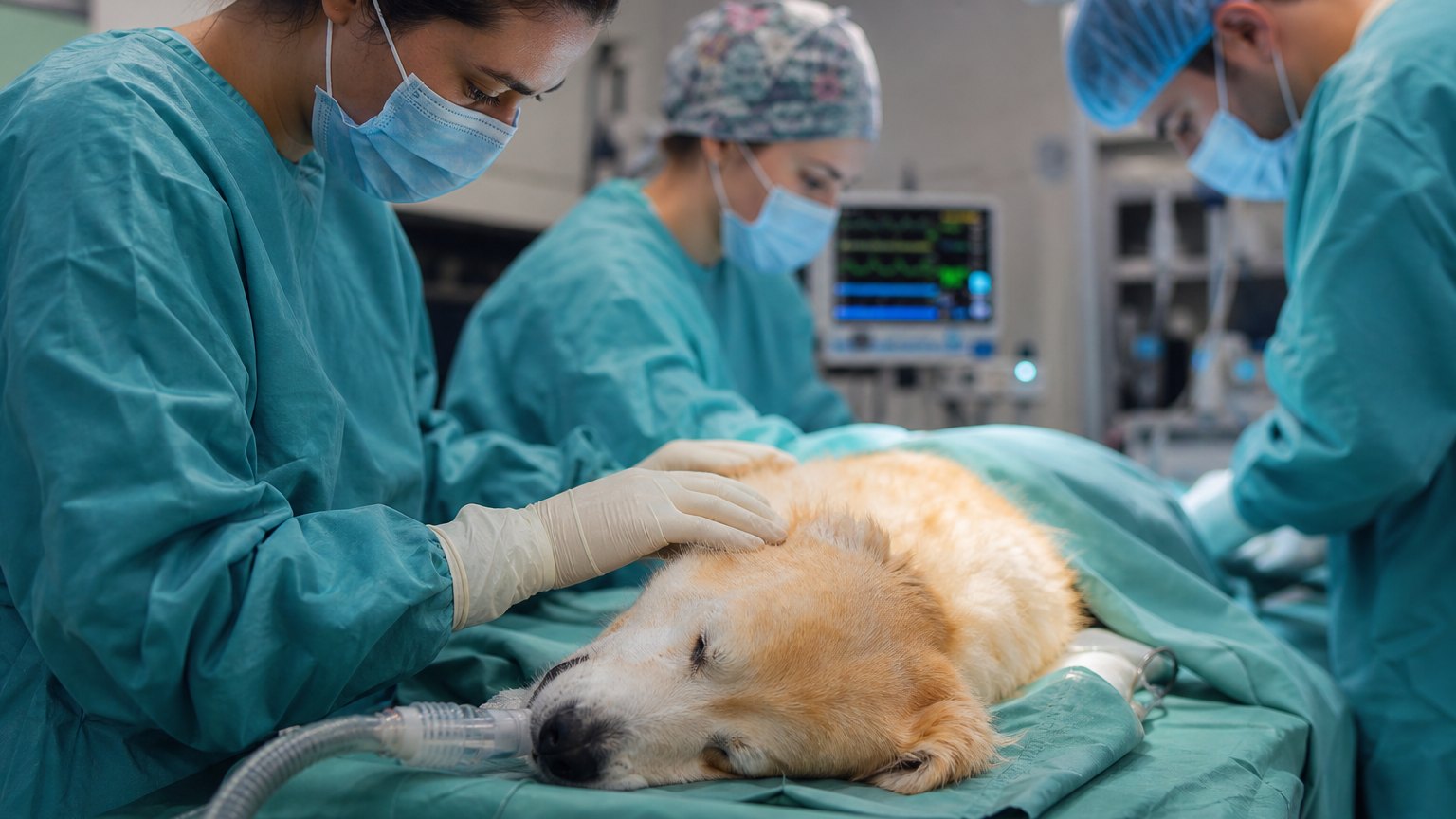
There is no single price tag for dog surgery, because the phrase covers everything from a fifteen-minute neuter to a multi-day spinal repair. As a working frame, routine elective procedures sit in the low hundreds, and advanced specialist surgery climbs into the thousands.
The clearest anchor points come from real invoices rather than clinic price lists. Neutering, one of the most common procedures performed, costs $283 to $685, according to aggregated invoice data from Vet Receipt as of January 2026. At the other end of the scale, total hip replacement averages roughly $7,000 per hip, per Animalia's January 2026 figures.
Surgery is also far more ordinary than most owners assume before it happens to their own dog. A OnePoint survey commissioned by Lemonade found that 36% of dog owners reported their dog had undergone surgery in the previous twelve months, as of January 2026. Budgeting for the possibility of surgery is ordinary planning, not paranoia.
Expert Insight: Whatever you think of a vendor-commissioned survey, the 36% figure is a useful reality check. Surgery is not a rare, once-in-a-lifetime event for most dog owners, and treating it as an eventual certainty rather than a distant maybe changes how sensibly people plan for it.
Source: Lemonade / OnePoint survey, January 2026
One thing surprises nearly every owner at pickup. The figure spoken out loud during the consultation is usually just the procedure fee, and the procedure fee is often the smallest slice of what you actually pay. That gap is what the rest of this guide is really about.
What Actually Goes Into a Dog Surgery Bill
A surgery estimate is several separate charges wearing one total, not a flat fee. The single most useful thing you can do with any quote is ask for it itemised, line by line, before you sign anything.
A typical estimate bundles pre-operative bloodwork and imaging, the anaesthesia itself plus the trained staff monitoring it, the surgeon's time and materials, any hospitalisation, and the take-home medication and follow-up rechecks. Each line moves independently depending on your dog's size, age and procedure.
Expert Insight: For complex procedures, the surgery fee itself can be less than half of the final total once anaesthesia, diagnostics, hospitalisation and aftercare are added in. Ask each clinic to break those line items out separately so you are comparing full bills, not just procedure fees.
Source: Vet Receipt, real vet bills by procedure, January 2026
Here is a costing detail most guides skip entirely: the follow-up visit where stitches or staples come out. No major US veterinary chain publishes a standalone price for this specific recheck, so treat any dollar figure for it as unconfirmed until your own clinic quotes it directly.
The UK low-cost provider Animal Trust does publish its own theatre tariff, and as retrieved on 4 September 2026 it lists a dog castrate at £205 and a dog spay at £320, with the fee already including surgery, pre-op bloodwork and up to 48 hours of hospitalisation. Suture removal is not broken out as its own line item on that page, so it genuinely is not clear whether it is billed separately or folded into the surgical fee.
Why Two Owners Get Wildly Different Quotes for the Same Operation
The same operation can cost one owner a modest sum and another owner twice as much, and the difference usually comes down to a short, predictable list of variables rather than luck.
The biggest single driver is whether a board-certified specialist and an emergency or referral hospital are involved. Advanced orthopaedic, spinal and cancer surgery demands specialist training and equipment, and that premium shows up in every line of the estimate.
Geography matters too. An urban specialty hospital in a high-cost city consistently charges more than a general practice in a quieter region, for the same reason coffee costs more near a train station.
Your dog's own details finish the list: size affects both anaesthesia drug volumes and implant sizing, age and underlying health can require extra precautions, and an emergency case almost always costs more than the same procedure booked calmly for next Tuesday. Nobody negotiates well at 2am, and neither does your dog, who by that point has generally decided the clinic is now the enemy.
Dog Surgery Cost by Procedure: A Quick Comparison
Prices vary by procedure more than by anything else, so grouping operations by category is more useful than a single average. Where a firm figure is not established, the entry below is described qualitatively rather than guessed.
| Procedure | Typical Cost | Verdict |
|---|---|---|
| Neuter | $283 to $685 (Vet Receipt, Jan 2026) | Among the least expensive common surgeries |
| Spay | $301 to $1,221, varies widely by clinic type (Vet Receipt; PetPlace, Jan 2026) | More invasive abdominal surgery; budget above neuter level |
| TPLO knee (CCL/ACL) | $3,694 to $4,330 per knee (Vet Receipt, Jan 2026) | Larger dogs and rehab add further cost |
| Total hip replacement | ~$7,000 per hip (Animalia, Jan 2026) | Among the most expensive; double for both hips |
| IVDD / spinal surgery | $2,000 to $4,000 core; up to $12,000 total (MetLife, Jan 2026) | Core fee is only part of the total care cost |
| Emergency abdominal (foreign body, bloat) | Several thousand, highly variable | Always request an itemised estimate first |
Dog Neuter and Spay Cost: The Routine End of the Scale
Neutering typically costs $200 to $500 according to Vety's cost data, with real invoice figures landing between $283 and $685 (Vet Receipt, January 2026). PetMD notes that some counties and organisations, including the Humane Society, offer discounted or free vouchers for the procedure, and that surcharges may apply if a dog is overweight.
Spay costs vary far more widely than neuter costs. Vety cites $250 to $650, Lemonade cites $200 to $400 for a basic procedure rising toward $2,000 for a fully monitored version with add-ons, and PetPlace's much broader $35 to $500 appears to reflect subsidised or high-volume clinics rather than private practice pricing. Vet Receipt's real-bill range sits between $301 and $1,221.
A spay is a genuinely bigger operation than a neuter, medically speaking. It's an ovariohysterectomy, the surgical removal of a female dog's ovaries and uterus through an incision in the abdominal wall, which is why it sits higher on the price scale even though both procedures are considered routine. Our complete guide to dog spay recovery walks through the recovery timeline in more depth, and our 2026 dog neutering cost guide breaks down what typically drives regional pricing up or down.
Orthopaedic and Spinal Surgery Cost: When the Bill Gets Serious
TPLO knee surgery, the most common repair for a torn cranial cruciate ligament, costs roughly $3,694 to $4,330 per knee according to Vet Receipt's January 2026 real-bill data. Larger dogs, bilateral repairs and post-operative rehabilitation push the final total higher still.
Cranial cruciate ligament disease is one of the most common causes of hind-limb lameness in dogs, and cruciate repair is the most common orthopaedic surgery performed by veterinary surgeons, according to the American College of Veterinary Surgeons and the University of Florida's veterinary school. That commonality is exactly why the cost is so well documented compared with rarer procedures.
Expert Insight: Most owners do not set out thinking "we are heading toward knee surgery". They think their dog slept oddly, then the limp lingers and the sitting looks awkward until the vet says the word cruciate. The operation fixes the mechanics; the home routine afterwards is what protects the result.
Source: American College of Veterinary Surgeons (ACVS)
Total hip replacement averages roughly $7,000 per hip, per Animalia's January 2026 figures, making it one of the most expensive routine orthopaedic procedures a dog can need. Spinal surgery for IVDD carries a core surgical fee of $2,000 to $4,000, but the total episode of care, including diagnostics and hospitalisation, can reach $12,000 according to MetLife's January 2026 figures.
If your dog is facing knee surgery specifically, our week-by-week TPLO recovery guide and our piece on when a dog can walk again after ACL surgery both cover the recovery timeline you'll be budgeting your time, not just your money, around.
Emergency Surgery Cost: Why the Same Operation Costs More at 2am
Emergency procedures such as foreign body removal or bloat surgery typically run into several thousand dollars, and the total varies enormously with severity, how long a dog was compromised before treatment, and whether the tissue involved is still viable.
Dogs do not read discharge instructions, and they certainly do not read the room before deciding a sock looks like dinner. That is precisely why emergency abdominal surgery is the hardest procedure to price in advance: nobody knows the extent of the damage until the surgeon is actually inside.
Always ask for an itemised estimate before an emergency team proceeds, even under time pressure. A reputable emergency hospital will give you a range and explain what could push the bill toward the top of it.
The Hidden Costs After Surgery Nobody Mentions at Checkout
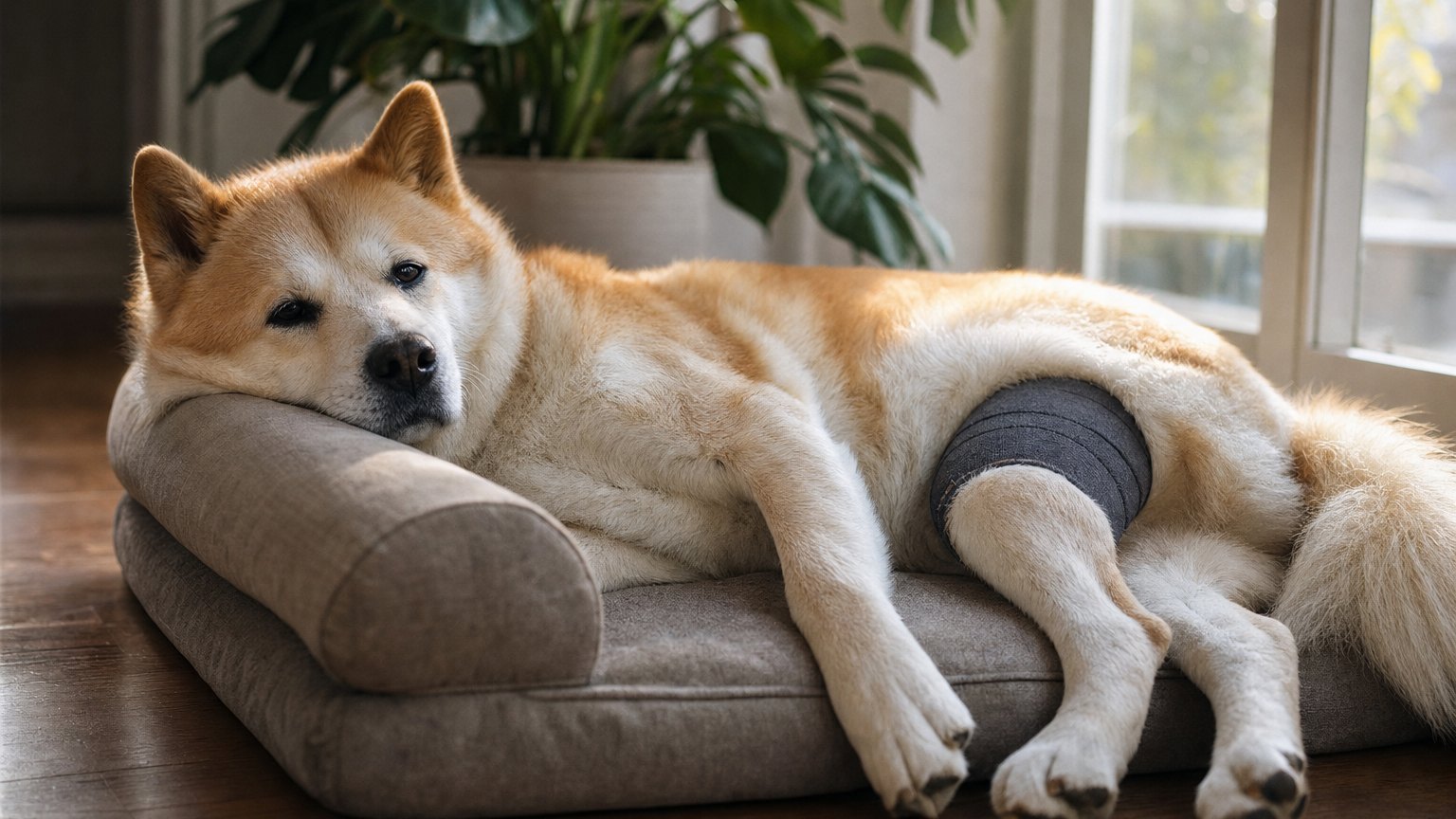
The surgery fee is only part of the budget. Aftercare items like a recovery suit or cone, a follow-up recheck, and sometimes pain medication refills all sit on top of the base procedure cost, and it's worth planning for these rather than being surprised at pickup, standing at the counter doing quiet mental arithmetic while your dog sways gently against your leg.
Most routine soft-tissue incisions need about 10 to 14 days to heal to the point where sutures or staples can safely be removed, a window confirmed across multiple veterinary sources including Zoetis Petcare. During that entire stretch, the incision is vulnerable to being reopened, irritated or infected if your dog can reach it, and a determined licker will find a way faster than you'd think possible.
Expert Insight: Most spay and neuter skin incisions are fully healed within about 10 to 14 days. That healing window, not a fixed calendar date, is what should decide when protective wear comes off, and it's exactly why discharge instructions matter more than general advice.
Source: Zoetis Petcare
Here's the part that turns a manageable bill into an unmanageable one: a licked-open incision, an infection, or a dog who chews through internal sutures can mean a second anaesthetic, a second surgery, and a second invoice. The cheapest recovery is the one where nothing has to be redone.
When Your Dog Won't Stop Licking the Wound
The problem: a healing incision is, from a dog's point of view, the single most interesting thing that has ever happened to their body, and licking is their first and only response to anything that itches, pulls or tingles.
The solution: a purpose-designed recovery suit that covers the wound without the stress of a traditional cone, so your dog can still move, sleep and be a dog while the incision does its quiet work underneath.

It's also available on Amazon for owners who need it same-day rather than waiting for a separate delivery window. Preventing a reopened incision is, quite literally, cheaper than paying for a second procedure. Our guide on dog after-surgery care at home covers the full first-week checklist alongside wound protection.
Pet Insurance and Financing: How Owners Actually Cover the Price of Dog Surgery
Insurance premiums are priced on the dog, not the procedure, and are separate from the surgery bill itself. Pets Best and the ASPCA both list the pet's age, breed, general health, location and the level of protection chosen as the main pricing factors.
A 2025 MoneyGeek analysis modelled a six-year-old Labrador Retriever with a $5,000 annual limit, $500 deductible and 80% reimbursement, and found Lemonade the cheapest option for dog surgery coverage at about $41 a month, or $492 a year, rated highest overall in that study. Pumpkin followed at about $46 a month, or $548 a year. The same analysis noted that cats cost less to insure than dogs overall, largely because dogs more often need procedures like ACL surgery.
Provider structure varies too. AKC's pet insurance has a two-day accident waiting period, covers curable pre-existing conditions after 365 days, and caps its annual limit around $10,000, according to MoneyGeek's 2025 comparison. Rainwalk offers $5,000 to $20,000 annual limits, $100 to $750 deductibles, 70% to 90% reimbursement, a 14-day waiting period, and covers curable pre-existing conditions after 180 symptom-free days.
Expert Insight: These figures come from one comparison site's modelled profile, so treat them as directional benchmarks rather than a quote for your own dog. Actual premiums shift with breed, age, location and the coverage level you choose.
Source: MoneyGeek, 2025 pet insurance analysis
Beyond insurance, many veterinary practices offer in-house payment plans, and third-party veterinary financing spreads a larger bill over several months rather than requiring the full amount at pickup. Ask what your clinic offers before surgery day, not while you're standing at the counter with a groggy dog leaning against your leg.
An emergency fund, even a modest one set aside specifically for vet care, is the least glamorous option on this list and consistently the one owners wish they had started sooner. It doesn't need a name, a policy number or an app. It just needs to exist before the phone call that starts with "we found something on the X-ray".

Protecting the Incision During Recovery: Cone vs Recovery Suit
A cone works by physically blocking a dog's reach, and it is genuinely effective for that single job. It is also the reason so many dogs spend the first week of recovery walking into doorframes and staring at owners with an expression best described as betrayal.
A recovery suit works differently, by covering the wound itself so there is nothing to lick even if the dog can technically reach the area. According to the American College of Veterinary Surgeons, recovery body suits may be recommended in select cases depending on incision location and the individual patient, and VCA Animal Hospitals notes a surgical recovery garment can be worn as an alternative depending on where the incision sits.
| Option | Best For | Verdict |
|---|---|---|
| Traditional cone (Elizabethan collar) | Facial wounds, ear surgery, anywhere a suit can't cover | Reliable barrier, hard for dogs to live comfortably with |
| Recovery suit | Torso incisions: spay, neuter, abdominal surgery, hot spots | Removes the temptation entirely without the cone stress |
| Inflatable collar | Mild cases, dogs who tolerate a soft donut style collar | Gentler than a cone, less reliable for a determined licker |
Ontario SPCA describes the suit style as a good choice for smaller pets, and notes it suits both active and less active breeds, which matters because a stressed, cone-bumping dog is often less active than usual purely out of frustration rather than genuine calm.
When a Recovery Suit Makes the Most Sense
The problem: cone stress can make crate rest harder, not easier, with dogs pacing, refusing to settle, or knocking water bowls over with the rim of the collar.
The solution: for torso and abdominal incisions specifically, spay, neuter recovery, flank incisions or hot spots, a full-body garment can cover the exact area that needs protecting while letting your dog actually rest.

For more detail on which situations still call for a cone rather than a suit, our guide on keeping a dog from licking stitches without a cone and our piece on the dog onesie as a smarter alternative to the cone of shame both go deeper into fit and edge cases.
When to Call Your Vet
- The incision is red, swollen, warm to the touch, or has an odour
- You notice discharge that is yellow, green, or foul-smelling rather than a small amount of clear fluid
- Your dog is lethargic, refusing food, or vomiting beyond the first evening after surgery
- The incision has visibly opened, or stitches or staples are missing
- Your dog's gums look pale, or breathing seems laboured
- Pain seems to be worsening rather than easing over the days after surgery
Give the Incision a Real Chance to Heal
A calmer recovery, without cone stress, is one less variable between your dog and the follow-up appointment where the vet says everything looks good.
Shop the Recovery Suit →Frequently Asked Questions: Cost of Dog Surgery
How much does it cost to have a dog operated on?
Routine procedures like neutering run $283 to $685 (Vet Receipt, January 2026), while advanced orthopaedic or spinal surgery can reach several thousand dollars, with total hip replacement averaging about $7,000 per hip (Animalia, January 2026). The exact figure always depends on the procedure, location and whether a specialist is involved.
What is the average cost of dog surgery?
There is no single average, because dog surgery spans a neuter costing a few hundred dollars to spinal surgery costing up to $12,000 (MetLife, January 2026). Ask your vet for an itemised, procedure-specific estimate rather than relying on a general average, which tells you very little.
Why is dog surgery so expensive?
Because the fee covers far more than the operation itself: anaesthesia and monitoring, pre-op bloodwork, hospitalisation, medication and follow-up rechecks all sit inside the total (Vet Receipt, January 2026). A specialist or emergency hospital adds further cost on top of the base procedure fee.
How much does it cost for a dog to get neutered?
Neutering typically costs $200 to $500 according to Vety's cost data, with real invoice figures landing between $283 and $685 (Vet Receipt, January 2026). PetMD notes some counties and organisations, including the Humane Society, offer discounted or free vouchers.
How much does dog spay surgery cost?
Spay costs vary more widely than neuter costs, ranging from around $35 at subsidised clinics up to roughly $650 to $1,221 at private practices, depending on the source (Vety; PetPlace; Vet Receipt, January 2026). Spaying is more invasive abdominal surgery, so budget above neuter pricing.
How much does TPLO knee surgery cost for a dog?
TPLO, a common repair for a torn cranial cruciate ligament, costs roughly $3,694 to $4,330 per knee, according to Vet Receipt's January 2026 real-bill data. Larger dogs, bilateral repairs and post-operative rehabilitation push the final total higher.
Does pet insurance cover the cost of dog surgery?
Yes, most accident and illness policies cover surgery once any waiting period has passed, with pricing shaped by your dog's age, breed, health and location, per Pets Best and the ASPCA. A 2025 MoneyGeek analysis found Lemonade cheapest for a modelled Labrador profile, at about $41 a month.
How much does emergency dog surgery cost?
Emergency procedures like foreign body removal or bloat surgery typically run into several thousand dollars, varying enormously with severity and how long a dog was compromised before treatment. Always ask for an itemised estimate before an emergency team proceeds, even under time pressure.
Can I get financing for dog surgery costs?
Many veterinary practices offer in-house payment plans, and third-party veterinary financing exists for larger bills, spreading the price of dog surgery over months rather than paying it all at pickup. Ask your clinic what it offers before the day of surgery, not during checkout.
What extra costs come after dog surgery besides the operation itself?
Aftercare items, including a recovery suit or cone, a follow-up recheck around day 10 to 14, and sometimes pain medication refills, all sit on top of the base procedure cost. Planning for these avoids doing mental arithmetic at the counter while your dog leans against your leg.
How long does a dog need to wear a recovery suit after surgery?
Most routine soft-tissue procedures need a recovery suit worn continuously for about 10 to 14 days, the standard window for skin healing and suture or staple removal, according to Zoetis Petcare. Always follow your own vet's discharge instructions over any general timeline.
Is a recovery suit cheaper than a cone in the long run?
A cone is usually the lower upfront cost, but a dog who reopens an incision through determined licking can turn one bill into two. A well-fitted recovery suit a dog actually tolerates can be the cheaper option once you weigh in the risk of a second procedure.
Further Reading
Sources and References
- American College of Veterinary Surgeons (ACVS). Cranial cruciate ligament disease and recovery body suit guidance. acvs.org.
- American Kennel Club (AKC). Pet insurance and general dog health information. akc.org.
- VCA Animal Hospitals. Surgical recovery garments as an alternative to the cone. vcahospitals.com.
- American Animal Hospital Association (AAHA). General veterinary care and aftercare standards. aaha.org.


